Fencing Discoloration and Sealing by Fence Company
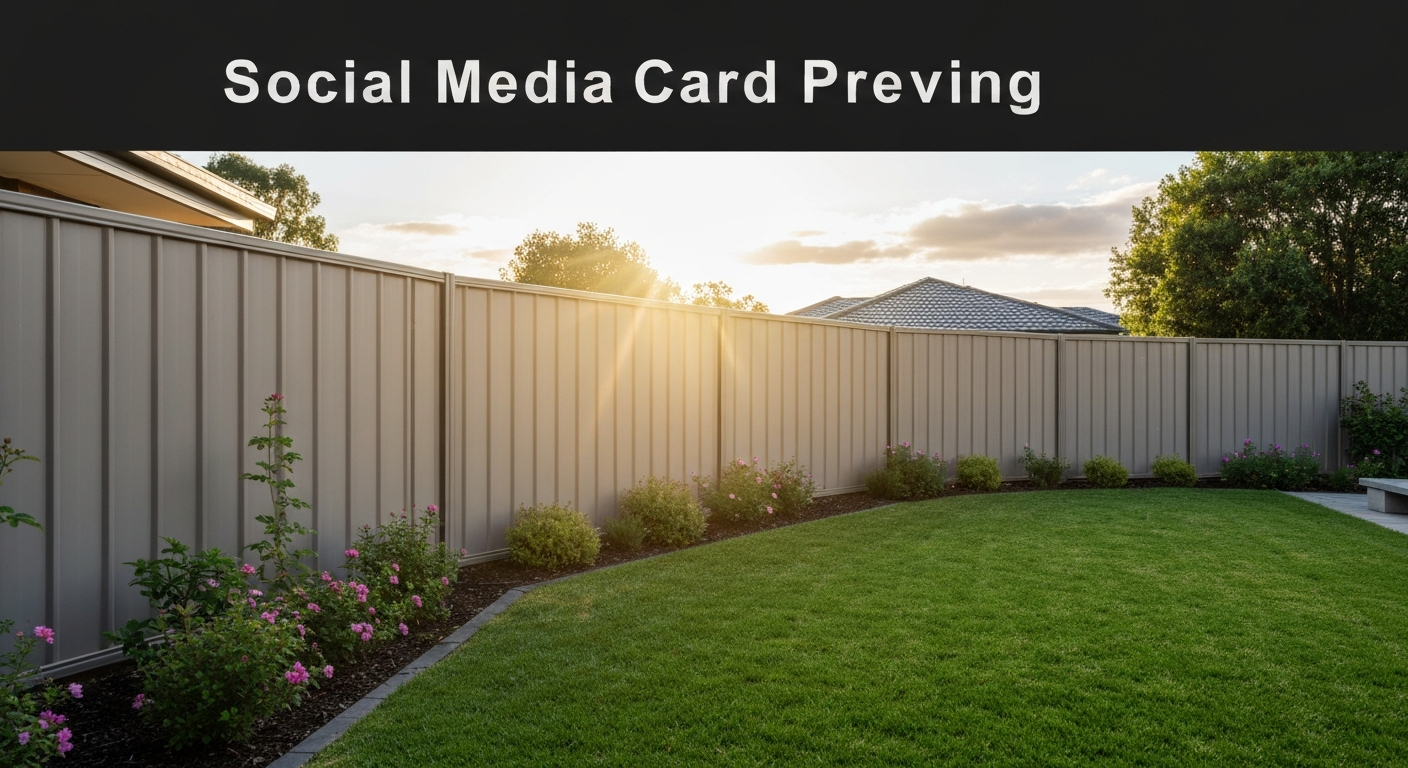
There is a minute, typically in late mid-day, when the fencing lastly looks the means it need to have from the beginning. The sun hits the grain, the color clears up in, and that "brand-new wood" look become something calmer and more willful. If you have ever viewed stain completely dry, you understand it takes place in phases. It darkens, after that it relaxes. The shine reveals where the coating is uniform, and the boring patches inform on places that missed out on a step.
A fence staining and sealing work is not just "placing shade on wood." It is a series of choices concerning wetness, chemistry, and workmanship that figures out whether your fence will certainly look great for a few periods or stand up for years. A strong fence company treats it like outside surface job, not like a paint run you can hurry through.
Why fencings fail before they ever before look bad
Most people assume a fence stops working when it alters shade. The reality is more practical. Failing typically begins earlier, inside the surface layer, in the small areas where water finds pathways.
Wood expands and contracts. Even the very best lumber actions with moisture. If the surface catches dampness rather than handling it, you can obtain gurgling, peeling, and mold behind the film. If the layer never ever appropriately bonds, you get flaking where rain and sprinkling concentrate, normally around posts, picket sides, and straight rails.
Then there is the sunlight. UV light breaks down surface fibers. If the stain or sealer does not consist of UV protection, the fence will chalk and discolor also if it is "still secured." You will certainly typically see the top rail go initially, then the faces facing the dominating weather condition. Wind instructions matters more than most home owners expect.
Finally, there is grit. A fencing sees dust, pollen, and air-borne particles. If you discolor over gunk, you create a finish that looks also for a short period, then loosens as quickly as rainfall cycles it.
That is why a fence company that does this job consistently starts every work the same way: assess what is on the fence today, decide what the timber needs, then build the surface system around those facts.
What "staining and sealing" really means
People use the terms like they are compatible. They are not. A good answer depends on the product type and the timber condition.
Stain is typically what offers you shade and some surface protection. Numerous oil-based stains penetrate, implying they soak into the wood instead of creating a thick skin at the surface. Penetrating stains have a tendency to do far better with timber activity due to best fence company the fact that they are not as based on an inflexible film.
Sealer is the safety buddy. Some systems utilize a discolor that currently consists of sealer residential properties. Others include applying a different clear or semi-transparent topcoat. When individuals state "seal it," they might indicate they want water beading on the surface, reduced absorption, and better resistance to mildew.
In the field, I have learned to ask an easy inquiry before going over any type of product: do you desire the grain to reveal, or do you desire an extra uniform, nontransparent appearance? That determines whether you are picking an ultra-transparent tone, a semi-transparent tarnish, or a more nontransparent strategy. The darker you go, the a lot more you can conceal variation, but the even more you can also mask issues that should have been dealt with throughout prep.
The prep job that makes a decision everything
Prep is where the distinction between "all right" and "superb" shows up. It is likewise the part most hurried teams attempt to compress, because it is not glamorous. You can't glamorize cleaning. You can't phony appropriate dry skin. And if the fence company does More help not handle preparation with technique, the discolor will certainly pay the price.
A normal prep phase entails cleaning up to eliminate dust, mold, and old deposit. If the fence has an old discolor or sealer, the cleansing needs to make up bond. Sometimes that indicates cautious removing or sanding in targeted locations, specifically where peeling exists. If the covering is intact and well-bonded, aggressive stripping can do even more damage than good by revealing fresh timber that is then delegated weather.
Moisture issues a lot that it deserves discussing humidity and "feels dry." I have seen fences that looked completely dry on the surface yet still held wetness inside the boards, specifically after rain occasions and hefty morning dew. If you apply surface over that, you get slow-moving curing and surface that never ever fully stabilizes. The result can be soft areas that grab dust or develop an unequal sheen.
Weather windows likewise matter. If the projection anticipates overnight rain, you prepare around it. Despite having modern items, you do not desire the fencing to be subjected to water during the vital duration when the coating is developing. Wind matters also. Too much airflow can speed up surface drying while still leaving underlying dampness issues.
Choosing discolor and sealer: more than choosing a color swatch
A lot of home owners start with color. That is reasonable, since color is what you see every day. However the genuine inquiry is what efficiency you require for your environment.
Consider these sensible elements:
-
Sun intensity and direct exposure direction
A fence that gets complete sunlight all day will call for a completed with strong UV performance. If one side is shaded by a timberline, it might keep its shade longer. That distinction can develop a visible comparison despite having the very same product, just since sunlight is doing its work. -
Rain patterns and sprinkler drift
If sprinklers struck the reduced rails or pickets, the fence ends up being a repeat wetting surface area. Permeating stains commonly succeed, however you wish to ensure you do not use in a way that leaves thin areas at edges. -
Foot traffic and contact
Some fences get bumped by yard tools or touched frequently around entrances. You desire enough toughness at call points. Also transparent surfaces can show wear where call is repeated. -
Existing coating type
If the fencing has actually been secured formerly, the next coating system needs to be compatible. Or else you can get problems like bad bonding or early peeling.
In method, a great fence company will stroll you with the "why" behind the item choice, not just the label. They will certainly ask how the fence was last completed, how much time it has actually been considering that it was tarnished, and whether there are areas that constantly stay moist. Then they match the surface design to the fencing's actual habits, not the advertising and marketing name.
A little narrative from the jobsite: the "very easy" fence that taught discipline
On a rural home a few years back, the property owner thought their fence would be an easy refresh. The previous surface was still primarily on the boards, and aesthetically it looked "fine." The shade had actually dulled and the reduced third appeared slightly darker from mildew.
The team did a regular cleaning pass, then went directly right into discoloration. That is when the appearance told the truth. A couple of pickets had hidden loosened sides, like the old coating had actually raised just sufficient to trap moisture. You might not see it until you cleansed, dried out, and ran a mindful touch with a tool.
They had two alternatives: press onward and wish, or correct the weak bond points. They remedied. They sanded and spot-treated those locations, after that readjusted the application approach. The distinction was not significant overnight, but by the second season the repaired places held constant while the untreated edges started to reveal early wear.
It was not the house owner's fault, and it was not the items. It was a pointer that fencing job is about details you just notice when the surface is effectively prepared.
Application method: how the coating in fact gets onto the wood
Even the best stain will certainly stop working if it is applied badly. "Poorly" can suggest a few things that look little in the beginning:
- Thin application that does not saturate sides
- Uneven cleaning that leaves touches and missed grain
- Skipping the leading edges of boards where water sits and runs
- Not working sufficient item into corners and shifts
A fence company worth employing takes notice of board-to-board consistency. When you use, you are not just coating the face. You are finishing the sides where water gets in, after that determining whether to leave enough material to stand up to very early breakdown.
In many work, the crew utilizes a mix of devices: brushes for pickets and corners, rollers in some scenarios to even out huge flat areas, and careful back-brushing to work the discolor into the grain as opposed to laying it on top. The goal is an uniform movie where suitable, however, for permeating systems, the objective is saturation without puddling.
You also take care of run-off. If a discolor swimming pools near the bottom sides of boards, it can form a thicker layer that looks various as it ages. Puddling can also postpone curing.
Sealing factors to consider: when an overcoat aids, and when it hurts
Sealers can be excellent, yet there is a correct time and an ideal fence for them.
A clear or semi-transparent topcoat can add water resistance and improve look long life, especially where the fence remains moist or where mold is persistent. However topcoats can additionally behave in different ways with time compared to spots that penetrate.
If the sealer develops a film, it depends on attachment. If the fence moves a lot, a movie can create anxiety at joints and sides. At some point it might break or peel if water gets underneath it.
That is why item compatibility is essential. If you use a film-forming sealant over an existing surface area that is not suitable, you run the risk of obtaining a coating that looks fine at first yet stops working early. In the real world, this is among those "count on yet verify" circumstances. A fence company often examines in tiny areas when compatibility is uncertain.
Post tops and hardware: the places individuals forget
Posts take the burden of the job. They being in soil dampness areas and they can be hit by splashback. If message caps or post treatments are missing, the wood can break down faster.
Hardware issues also. Gateway locks, screws, and braces produce points where water can accumulate. If your coating application misses out on around hardware or if there are gaps, those areas come to be the start of a moisture cycle.
A fence staining and securing work must deal with articles and equipment like high priority zones. That means appropriate cleaning, attention to edges, and application that reaches what you typically do not see from the street.
The timing of maintenance: you do not need to await noticeable failure
A fencing does not offer you a clear schedule, yet it does offer you clues. If the fence still grains water, the surface performance may be holding. If water quits beading and starts taking in swiftly, the finish might be thinning. If the fence feels rough or shows chalky residue, UV break down has actually started.
An excellent fence company supplies upkeep planning based on monitoring. They may tell you that fences typically need focus in cycles that vary with sunlight exposure, weather, and item. In many areas, you could see significant re-coating home windows within a couple of years, in some cases sooner in extreme sunlight or wet zones.
The trade-off is easy: re-coating very early is normally less labor-intensive than removing and repairing later on. The coating layer likewise has a tendency to bond better when the wood is not already deeply compromised.
What to expect throughout a specialist job
If you employ a trusted fence company, you must expect more than simply "apply stain." An expert team builds in steps that safeguard your building and your fence.
You can fairly expect them to:
- Protect nearby landscape design and surfaces
- Manage leaks and overspray responsibly
- Work in reliable areas, so the fence does not sit half-finished in a weather swing
- Keep item consistency across the fencing so you prevent color variant
You ought to likewise expect concerns. A good crew will ask whether there are pets, whether gates need unique attention, and whether there are areas with consistent mildew. They will examine board problem and whether any kind of boards require repair work or substitute before finishing.
One of one of the most practical points is a clear explanation of the drying out and healing timeline. Not every item treatments in the same way. Weather modifications that timeline as well. You will certainly wish to know when the fencing is risk-free to touch, when rain is still a problem, and when the job is fully "established."
Common edge situations that transform the plan
Fence discoloration and sealing is simple until it isn't. These are the circumstances where judgment beats a one-size-fits-all schedule.
If your fence is newly installed, you might need time for timber to adapt and dry. Staining ahead of time can catch moisture, and the coating can look blotchy. If your fence is already peeling, your plan may need stripping or fining sand before any kind of brand-new coating goes on. If the fencing has heavy mildew, cleaning may call for greater than a light rinse, and you need to make certain mold is fully dealt with, not simply surface cleaned.
If the fence is weathered and gray, you may require preparation that brightens the timber surface. Some cleansing steps can raise surface oxidation, which helps the stain take equally. Unequal oxidation can create irregular shade also when the stain brand and color are the same.
And then there are the fences where the homeowner attempted to patch previously. Spot repair services occasionally introduce dissimilar absorption, so you may get a fencing that looks unequal unless you attend to the distinctions in prep across sections.
A functional, real-world checklist for homeowners
If you are getting price quotes, you can ask inquiries that expose exactly how mindful a fence company is. You do not need to sound technological, simply interested. Right here is a brief set of points that typically matter, and the responses can inform you a lot.
- What products and systems do you use for stain and securing, and why for this fencing type
- How do you take care of preparation, consisting of mold, old coating, and attachment concerns
- What dampness and weather do you call for before staining
- How will you protect plants, nearby surfaces, and landscape design attributes
- Do you plan repair services or board substitute before finishing, if required
Those answers ought to be specific and regular. Unclear actions often indicate the team is improvising on site, and fencing job penalizes improvisation.
How to aid your fencing last after staining
Once the finish is on, your work is easier, however it still matters. The very first weeks after application are when the finish supports. Avoid washing the fence immediately after discoloration. Prevent striking it with sprinklers on a brand-new finish. If you have gate equipment that gets made use of frequently, handle it carefully till curing is complete.
If you have a practice of blasting the fence with a power washing machine to "cleanse it," reduce. Power cleaning can rough up the surface and accelerate wear of passing through finishes. If you require cleansing later, use approaches that match the coating kind, and maintain stress reasonable. Many fences take advantage of moderate cleansing and a soft-brush method rather than hostile stripping.
Also watch on the landscape. Compost loaded versus boards holds dampness. With time, that damp zone can produce a vertical red stripe undecided face. Maintaining plants trimmed and staying clear of constant moisture contact can prolong the life of the coating greater than people expect.
Cost truths: what drives price up or down
Costs differ a whole lot based on fencing dimension, condition, accessibility, and just how much prep is required. A straightforward refresh on undamaged, clean boards will normally set you back much less than a work with peeling, mold removal, and substantial sanding or area stripping.
Labor is the primary variable. Prep and careful application require time. So do proper defenses and cleanup, particularly if your fencing line runs near landscape design beds, outdoor patios, or driveways.
The item itself matters as well, however not as high as you could assume. An even more sturdy system can lower regularity of re-coating, yet just if the job is carried out well. A lower expense product used with reckless preparation will still disappoint.
A fence company that is worth the cash will certainly clarify exactly how they got to the price, including what prep job they prepare for and what happens if they uncover extra bond issues once they start cleaning.
Color choices that age well
Color is individual, yet there are some patterns I have actually seen over time. Lighter tones usually reveal dirt and mildew earlier just since comparison is clearer. Darker tones can conceal early surface area crud however may highlight uneven application if the tarnish density varies from board to board.
The most flexible selection is often a medium tone, not due to the fact that it looks excellent in your sample pot, but because it endures the small distinctions in timber grain absorption that normally occur throughout a fence run.
If you are attempting to match an existing fencing, take into consideration that various lumber batches take in tarnish in different ways. Even with the same tarnish, a fencing that includes substitute boards may look a little different for a while. That is an additional reason regular preparation matters, especially around new or patched sections.
Questions to ask about service warranty and expectations
Not every business offers a guarantee, and warranties differ widely in what they cover. If you want foreseeable outcomes, ask what is assured, what problems invalidate protection, and what maintenance is anticipated. Numerous guarantees tie efficiency to reasonable upkeep, cleansing, and environmental exposure.
The most straightforward estimates additionally include expectation monitoring. A fence will not look freshly discolored forever. It will weather. Despite having excellent products, the top side and sun-facing sections normally show fading first.
A fence company that interacts this clearly commonly leads to better outcomes, since the home owner recognizes the distinction between "upkeep cycle" and "coating failure."
When to repair, not just refinish
Sometimes refinishing is the wrong move because the fencing requires physical focus. Loose pickets, harmed rails, and decaying boards can trigger activity that cracks coatings and subjects fresh dampness pathways.
A specialist approach includes an assessment for repairs prior to discoloration. If a board is soft or endangered, a patchy surface will just cover the trouble momentarily. Changing or fixing broken sections might set you back even more at the beginning, but it typically saves cash and heartache later.
If you are on the fencing regarding whether to do repairs, try to find indications near the sides and at joints. Rot frequently starts at the factors where water gathers and where the fence has gaps. Those are the locations that tarnish can not absolutely fix.
The final look: why a wonderful fencing job feels different
After a proper staining and sealing work, you often observe something refined. The fencing does not simply look tinted. It looks sealed in the means timber looks when it is cared for, not masked.
That is the difference between a quick weekend break attempt and specialist work. A fence company that deals with preparation, wetness timing, item compatibility, and constant application produces a finish layer that behaves predictably. It ages in a controlled way, fading as opposed to peeling. It resists mold longer. It holds up around the sides that normally fall short first.
When clients ask how long it will certainly last, one of the most responsible response is always conditional. Sun strength, weather, and upkeep drive the timeline. Yet the best jobs share the exact same foundation: right preparation, right product choice, and the self-control to apply when the fencing is ready.
If you deal with the fence like an exterior system, not a decoration, you wind up with something much better than a short-term remodeling. You get a barrier that looks right, lasts much longer, and seems like it belongs to your residential property, period after season.